
Cap Personalisation: The Complete Guide for Businesses and Sports Clubs
Discover how cap personalisation works, which decoration methods to choose, and how to order custom caps for your business or sports club in Australia.

Written by
Ryan Gallagher
Custom Apparel
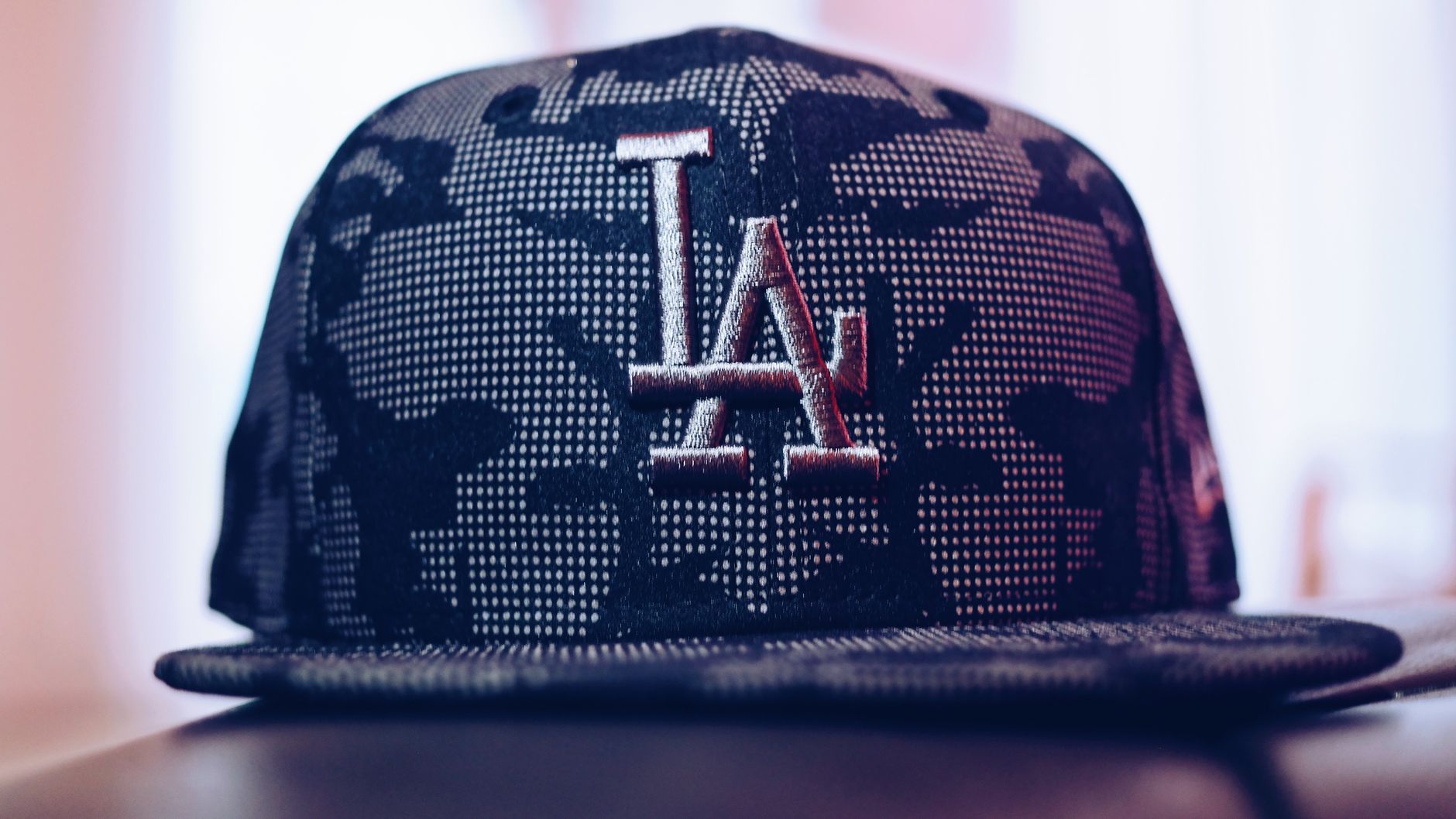
There’s something undeniably powerful about a well-branded cap. Whether it’s sitting on the head of a tradie on a Brisbane construction site, a junior footballer running drills at a Perth oval, or a marketing executive handing out merchandise at a Sydney trade show, a personalised cap delivers brand exposure in a way that few other promotional products can match. Cap personalisation has become one of the most sought-after services in the Australian promotional products industry — and for good reason. Custom caps are practical, visible, long-lasting, and genuinely useful, which means recipients actually wear them. This guide covers everything you need to know, from choosing the right cap style to selecting the best decoration method and managing your order from artwork through to delivery.
Why Cap Personalisation Works So Well as a Marketing Tool
Before diving into the technical details, it’s worth understanding why personalised caps punch well above their weight in the world of branded merchandise. Unlike a promotional pen that ends up in a drawer or a branded brochure that gets recycled, a cap is something people wear out in public — repeatedly, and often for years.
Think about the sheer volume of impressions a single cap generates. Every time someone wears your branded cap at the beach, at the footy, at the markets, or while walking the dog, your logo is in front of dozens or even hundreds of people. When you consider the relatively modest per-unit cost of a custom cap, especially in bulk, the return on investment becomes very attractive. If you’re curious about the data behind this kind of exposure, our deep dive into promotional products ROI data provides some eye-opening statistics.
Caps also work brilliantly across a wide range of sectors. Sporting clubs use them for team identity and fundraising. Businesses use them as staff uniforms, trade show giveaways, and client gifts. Schools use them for sports days, swimming carnivals, and sun safety programs. Events, festivals, and conferences all find strong use cases for personalised caps too.
Understanding Your Cap Style Options
One of the first decisions you’ll face when exploring cap personalisation is choosing the right style. The cap market is far more diverse than it might appear at first glance, and the style you choose should reflect your brand aesthetic, your audience, and how the cap will be used.
Structured vs Unstructured Caps
Structured caps — like the classic six-panel baseball cap — have a firm front panel that holds its shape, making them ideal for embroidery. The firm surface provides a crisp foundation for logos and text, particularly when using embroidered decoration. Unstructured caps have a softer profile and tend to sit lower on the head, offering a more relaxed, lifestyle-oriented look.
Snapback, Flexfit, and Buckle Closures
The closure type affects both fit and aesthetic. Snapback caps feature adjustable plastic closures at the back, suit most head sizes, and are popular with younger demographics and streetwear audiences. Flexfit caps use an elasticated headband for a snug, contoured fit and are popular for corporate and sporting applications. Traditional buckle-strap closures offer a classic look that works well for premium branded merchandise and lifestyle campaigns.
Trucker Caps, Bucket Hats, and Beanies
Trucker caps — with their mesh back panels — are perfect for outdoor industries, agricultural businesses, and casual sporting events. They’re especially popular across Queensland and regional New South Wales, where ventilation matters. Bucket hats have made a strong resurgence and are a favourite for school sun safety programs, beach events, and youth-oriented brands. For colder climates in Melbourne, Hobart, or the ACT, you might also consider extending your cap personalisation strategy to include custom beanies as a complementary product.
Decoration Methods for Cap Personalisation
This is where many buyers get overwhelmed, but it doesn’t need to be complicated. The decoration method you choose should depend on your design complexity, budget, order quantity, and the cap material itself.
Embroidery
Embroidery is by far the most popular and widely recommended method for cap personalisation in Australia. It produces a premium, textured finish that feels substantial and professional. Embroidered caps hold up exceptionally well to washing and outdoor use, making them ideal for sporting clubs, tradies, and corporate teams alike.
Keep in mind that embroidery is best suited to simpler logos — bold shapes, clean text, and limited colour transitions. Highly detailed designs or photographic images don’t translate well into thread. The process involves digitising your artwork (converting it into a stitch file), which typically incurs a one-off setup fee. Once your design is digitised, reordering is straightforward.
Screen Printing
Screen printing onto caps is possible, particularly on structured panels, and works well for bold, graphic-heavy designs. It’s a cost-effective option at higher volumes. If you’re weighing up decoration approaches more broadly, our detailed resource on pad printing services for promotional products in Sydney offers useful context on print-based techniques.
Heat Transfer and Sublimation
Heat transfer is excellent for multicolour designs, gradients, and photographic imagery. Sublimation printing — where ink is bonded into the fabric at a molecular level — produces vivid, full-colour results and is particularly popular for custom sports caps where team colours and detailed graphics are essential. Sublimation works best on polyester fabrics, which is worth keeping in mind when selecting your cap material.
Laser Engraving and Leather Patch Caps
A growing trend in premium cap personalisation involves leather or faux-leather patch badges on the front panel, with the patch being laser engraved. This produces a sophisticated, boutique aesthetic that suits lifestyle brands, craft breweries, real estate agencies, and premium corporate gifting. Speaking of which, if you’re building a broader premium gifting program, our guide to luxury corporate gifts in Australia is well worth reading alongside this one.
How to Plan Your Cap Personalisation Order
Getting your order right from the start saves time, money, and frustration. Here’s a practical framework to work through.
Define Your Budget and Quantity
Cap pricing in Australia varies considerably depending on style, decoration method, and order size. Expect to pay anywhere from $8–$15 per cap for simple embroidered caps at moderate quantities (50–100 units), down to $5–$10 per cap for larger orders of 250 or more. Premium styles with complex embroidery or leather patch details will sit higher. Setup fees for embroidery digitisation typically range from $50–$100 and are a one-time cost.
Minimum order quantities (MOQs) for cap personalisation generally start at 12–25 units for embroidered caps, though some suppliers will accommodate smaller runs for a price premium. If you’re based in South Australia and want to work with someone local, finding local promotional product suppliers in Adelaide can streamline the process considerably.
Prepare Your Artwork Correctly
Your decorator will need vector artwork — typically an AI, EPS, or PDF file — to produce a clean result. Raster images (like JPGs or PNGs) are not ideal as they lose quality when scaled. If you only have a low-resolution logo, ask your supplier whether they can redraw it as a vector file, though this may incur an additional fee. Confirm your PMS (Pantone Matching System) colour codes upfront if brand colour accuracy is critical.
Order a Sample First
For orders over 100 units, always request a pre-production sample before committing to the full run. This is especially important for embroidery, where design placement, thread colours, and stitch density can differ slightly from a digital mockup. A physical sample approval protects you against costly reprints and ensures the final product meets your expectations.
Turnaround Times
Standard turnaround for cap personalisation orders in Australia is typically 10–15 business days from artwork approval. Rush orders are sometimes possible but attract a premium. If your caps are needed for a specific event — a Gold Coast conference, an Adelaide school sports day, a Melbourne footy season launch — always build in buffer time and communicate your deadline early.
Cap Personalisation Ideas Across Different Sectors
To bring this all together, here are some practical ways Australian organisations are using cap personalisation right now.
Sporting clubs: A Hobart junior football club ordering 60 embroidered snapbacks for their under-16 side, with the club crest on the front and sponsor logo on the side panel. Paired with personalised team captain armbands and custom jerseys, caps create a cohesive, professional team identity.
Tradies and construction: A Perth building company supplying all field staff with hi-vis trucker caps featuring embroidered company name and logo. These work alongside promotional jackets and branded workwear for a consistent on-site presence.
Events and festivals: A Brisbane craft beer festival providing branded trucker caps as part of VIP delegate packs — a natural pairing with promotional merchandise for beer festivals more broadly.
Corporate gifting and conferences: A Sydney-based tech company ordering 200 premium flexfit caps as conference swag, bundled alongside branded spiral notebooks, promotional flash drives, and customised mugs for a polished delegate pack.
Schools and education: A Darwin primary school ordering sun-safe bucket hats with the school name embroidered for Year 7 orientation packs, complemented by promotional sunscreen for pharmaceutical companies and school programs.
Eco-conscious brands: Organisations with a sustainability focus should explore caps made from recycled PET or organic cotton, which pair beautifully with other eco-friendly merchandise like wheat straw marketing giveaways and promotional drawstring bags.
Conclusion: Key Takeaways for Getting Cap Personalisation Right
Cap personalisation is one of the most versatile, cost-effective, and high-impact moves available in the Australian promotional products toolkit. Whether you’re outfitting a sports team, building brand presence at a trade show, or rewarding your staff with quality branded merchandise, a well-executed custom cap delivers lasting value.
Here are the key points to take away:
- Choose your cap style based on use case — structured six-panel caps for corporate and sports applications, trucker caps for outdoor industries, bucket hats for schools and beach events.
- Embroidery is the gold standard for most cap personalisation projects, offering durability, a premium look, and suitability for bold logos and text.
- Prepare vector artwork and confirm PMS colours before placing your order to avoid delays and colour inconsistencies.
- Always request a pre-production sample for larger orders — it’s a small investment that protects against expensive mistakes.
- Plan your timeline early, especially if caps are needed for a specific event, and work with a supplier who understands Australian lead times and can communicate clearly throughout the process.
Get these fundamentals right and your personalised caps will do exactly what great merchandise should — represent your brand confidently, get worn enthusiastically, and keep working for you long after the event is over.