
Compostable Promotional Products in Australia: Your Complete Sourcing Guide
Discover how Australian businesses can source and use compostable promotional products to reduce waste and strengthen their brand's green credentials.

Written by
Tessa Nordberg
Eco & Sustainable Products
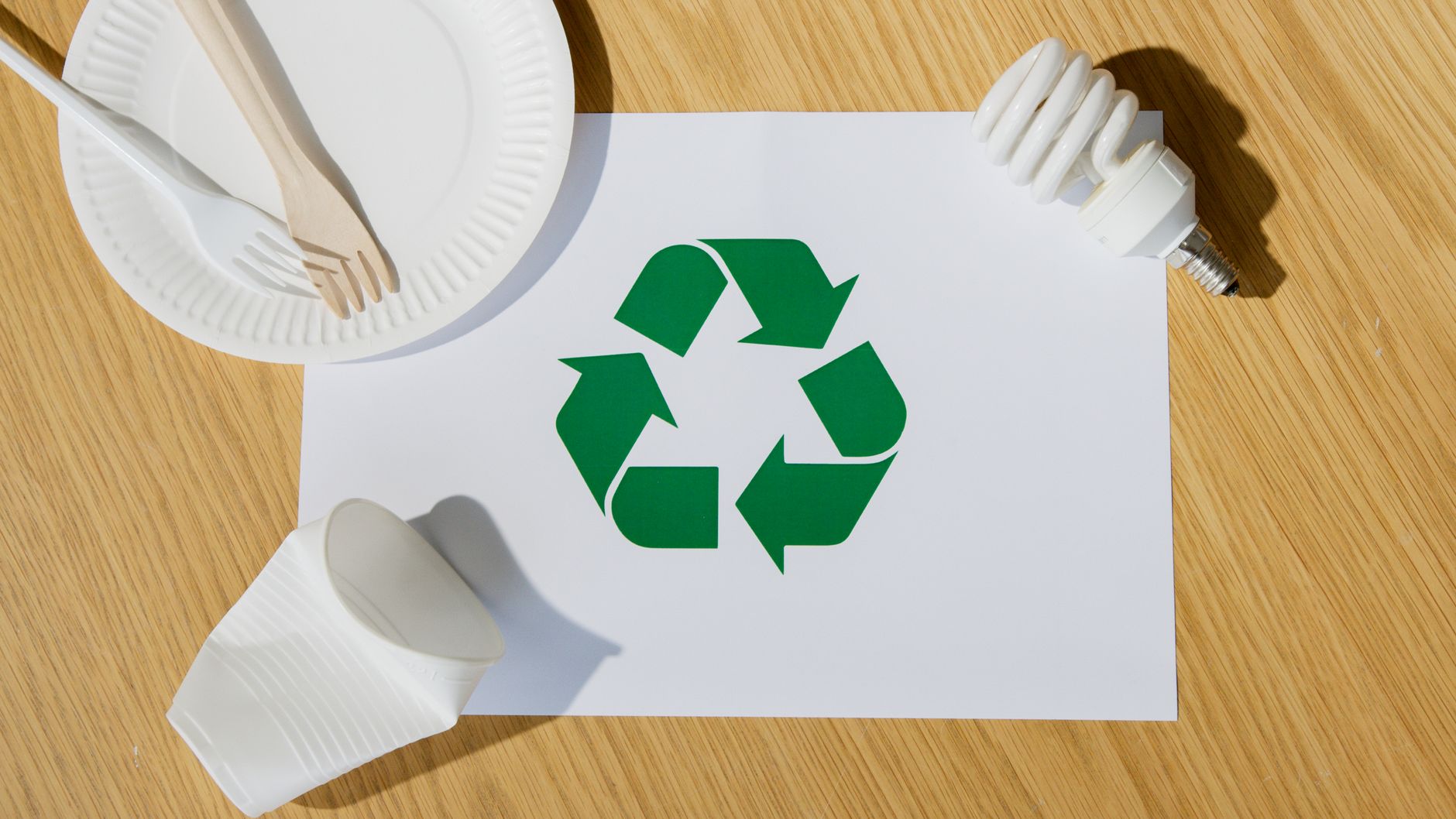
Choosing promotional products has always involved a balancing act — between budget, brand impact, and practicality. But in 2026, there’s a fourth consideration that’s increasingly non-negotiable for Australian marketing teams: environmental responsibility. Compostable promotional products Australia wide are gaining serious traction, and for good reason. As consumers grow more environmentally aware and government procurement guidelines tighten, the question is no longer whether to go green — it’s how to do it well. This guide walks you through everything you need to know about sourcing, ordering, and maximising the impact of compostable promo products for your next campaign.
What Makes a Promotional Product Truly Compostable?
Before diving into product categories, it’s worth getting clear on what “compostable” actually means — because it’s not the same as “biodegradable,” and the distinction matters enormously when you’re making purchasing decisions.
A compostable product breaks down into non-toxic, natural elements under composting conditions, typically within 90 to 180 days. It leaves behind no harmful residue. Biodegradable products, by contrast, may break down eventually but can take years and potentially leave behind microplastics or other residues.
In Australia, look for products that meet the AS 4736 standard (for industrial composting) or AS 5810 (for home composting). These are the two key Australian Standards you should reference when evaluating suppliers. Products certified to these standards have been independently tested and verified — not just labelled “eco-friendly” as a marketing tactic.
When assessing compostability claims, ask your supplier the following questions:
- Is the product certified under AS 4736 or AS 5810?
- Are the inks and adhesives used in decoration also compostable or food-safe?
- How should recipients dispose of the item after use?
- Is the packaging compostable too?
Getting answers to these questions upfront will save you from greenwashing pitfalls down the track.
Popular Categories of Compostable Promotional Products in Australia
The range of truly compostable promo products is narrower than general “eco-friendly” merchandise, but it’s growing quickly. Here’s where you’ll find the most options.
Compostable Food and Beverage Items
This is the most mature category. Custom-branded compostable cups, plates, cutlery, and food packaging are widely available and work brilliantly at outdoor events, festivals, sporting days, and conferences. A Brisbane sporting club running a community carnival, for example, can hand out branded compostable cups without adding to landfill at the end of the day.
Custom mints and confectionery in compostable packaging are another popular option — and they’re surprisingly effective as brand touchpoints. If you’re building a delegate pack or conference bag, branded confectionery in compostable wrappers makes for a thoughtful, on-brand inclusion that aligns with your sustainability messaging.
Compostable Stationery and Paper Products
Seed paper is one of the most innovative products in this space. It can be formed into business cards, notecards, bookmarks, or promotional inserts — and once the recipient is done with it, they can plant it in soil and watch wildflowers, herbs, or vegetables grow. Kraft paper notebooks with plant-based covers and soy-based inks are another strong option.
Stationery is ideal for conferences, school events, and corporate welcome kits. A Sydney marketing agency putting together a client welcome pack, for instance, could use seed paper cards alongside other sustainably sourced items to make a powerful brand statement.
Compostable Bags and Packaging
Compostable tote bags — typically made from corn starch (PLA) or natural cotton with compostable dyes — are becoming more widely available. These differ from reusable bags; they’re designed for single or short-term use and are intended to be composted at end of life. However, for many event contexts (sample bags, gift bags, trade show handouts), this makes them an excellent choice over conventional plastic alternatives.
For trade show teams in Melbourne or Perth, branded compostable mailer bags are also worth exploring for post-show fulfilment. If you’re based in Western Australia and working with local suppliers on branded bags and packaging, this guide to custom merchandise suppliers in WA is a great starting point.
Compostable Personal Care and Wellness Products
Bamboo-handled items such as toothbrushes, hairbrushes, and cotton buds are genuinely compostable when undecorated, though the decoration method can affect compostability. Sunscreen in compostable or recycled packaging is gaining traction in the healthcare and outdoor sector — an area explored in depth in our guide to promotional sunscreen for pharmaceutical companies in Australia.
Compostable Drinkware Accessories
Reusable cups made from PLA (polylactic acid, a corn-based bioplastic) can be compostable under the right conditions. These are popular at events and festivals. Be cautious, however — not all “plant-based” cups are certified home-compostable, and many require industrial composting facilities to break down correctly. Always verify certifications before promoting these to your audience as fully compostable.
Decoration Methods for Compostable Promotional Products
This is an area where things get nuanced. The most eco-conscious decoration methods for compostable products include:
Soy-based and water-based inks — These are compatible with paper and seed paper products and are widely available for screen printing and pad printing applications.
Laser engraving — Where applicable (such as on bamboo items or wooden products), laser engraving eliminates ink entirely. This is the gold standard for compostability because no additional materials are introduced.
Natural dye embossing or debossing — On paper-based products, blind debossing (pressing without ink) is a fully compostable decoration option that also looks premium.
Where screen printing is used on compostable paper products, confirm with your supplier that the inks used are water-based and biodegradable. Plastisol inks, which are petroleum-based, should be avoided for products you’re marketing as compostable.
For apparel that’s part of a broader eco-focused campaign — say, a fun run in Brisbane — it’s worth exploring dye sublimation for all-over print custom apparel as a lower-waste decoration method, even if the base garment isn’t compostable. Pair this with compostable packaging for maximum impact. Speaking of fun runs, our guide to event merchandise for fun runs in Brisbane covers the full product mix in that context.
Ordering Compostable Products: Practical Considerations
MOQs and Lead Times
Compostable products often carry higher minimum order quantities than conventional alternatives, typically starting at 250 to 500 units for food service items and 100 to 250 units for seed paper products. Allow for longer lead times too — especially if items are being manufactured offshore with certified materials. A four to six week lead time is not unusual for specialised compostable products.
Budget Expectations
You’ll typically pay a 20 to 40% premium for certified compostable products over their conventional equivalents. However, this cost can be offset through:
- Smaller product ranges with higher impact per item
- Bundling with other eco-friendly items to reduce per-unit shipping
- Positioning the cost as part of your CSR reporting and environmental commitments
For events where the story behind the product is as important as the product itself, this premium often delivers strong ROI. Our promotional products ROI data guide breaks down how to measure campaign effectiveness in more detail.
Aligning Your Entire Campaign
Compostable promotional products work best when they’re part of a coherent sustainability story — not a tokenistic add-on. Think about whether your event swag as a whole reflects your brand values. Our guide to event swag for team building events in Australia covers how to build a product mix that feels cohesive and purposeful, which applies equally to eco-focused campaigns.
Consider complementing compostable items with other sustainable products — such as recycled or reusable merchandise — to build a complete picture. A Melbourne council hosting an Earth Hour event, for instance, might pair compostable seed paper cards with reusable drinkware and organic cotton bags. Our post on green branded merchandise for Earth Hour events goes deeper into this specific use case.
If corporate gifting is on the agenda, it’s also worth knowing that sustainability and premium quality aren’t mutually exclusive. Our overview of luxury corporate gifts in Australia includes eco-forward options that won’t compromise on perceived value.
Industries and Events Best Suited to Compostable Merch
Compostable promotional products are particularly well suited to:
- Sustainability-focused conferences and expos — Delegate packs, name badge holders, and branded stationery can all incorporate compostable elements
- Food and beverage brands — Especially for sampling events and markets
- Local councils and government bodies — Many have formal sustainability procurement policies requiring certified eco-credentials
- Schools and universities — For environmental awareness campaigns, school fetes, or open days
- Sporting clubs and fitness events — Think charity walks, fun runs, and outdoor festivals
- Healthcare and wellness organisations — Where environmental stewardship aligns with organisational values
For sports clubs in particular, the integration of compostable items into events is becoming increasingly standard. And even for products that aren’t themselves compostable, choosing more sustainable alternatives matters — our guide to personalised team captain armbands for sports awards touches on recognition products for clubs.
Conclusion: Key Takeaways for Sourcing Compostable Promotional Products in Australia
The shift toward compostable promotional products in Australia reflects a genuine evolution in how businesses, councils, and organisations think about brand impact. Done right, these products don’t just reduce landfill — they actively communicate your values, resonate with environmentally conscious audiences, and differentiate your brand in crowded markets.
Here are the essential points to carry forward:
- Verify certifications — Always look for AS 4736 or AS 5810 certification before accepting “compostable” claims at face value
- Match decoration to the product — Use water-based inks, laser engraving, or debossing to preserve the compostable integrity of your chosen products
- Plan for longer lead times and slightly higher budgets — Compostable products are a premium choice and need to be scoped accordingly
- Tell the story — The environmental benefit is a key part of the product’s value; make sure recipients know how to dispose of items correctly
- Integrate, don’t isolate — Compostable products are most powerful as part of a broader sustainable merchandise strategy, not as standalone gestures
Whether you’re a marketing team in Adelaide, a sporting club in Darwin, or a government department in Canberra, compostable promotional products Australia wide offer a meaningful way to close the loop between your brand values and your merchandise choices. The investment is worth it.