
Custom Organic Cotton Tote Bags in Australia: The Complete Buying Guide
Discover how to order custom organic cotton tote bags in Australia — tips on decoration, MOQs, budgeting, and choosing the right bag for your brand.

Written by
Blake Morrison
Bags & Totes
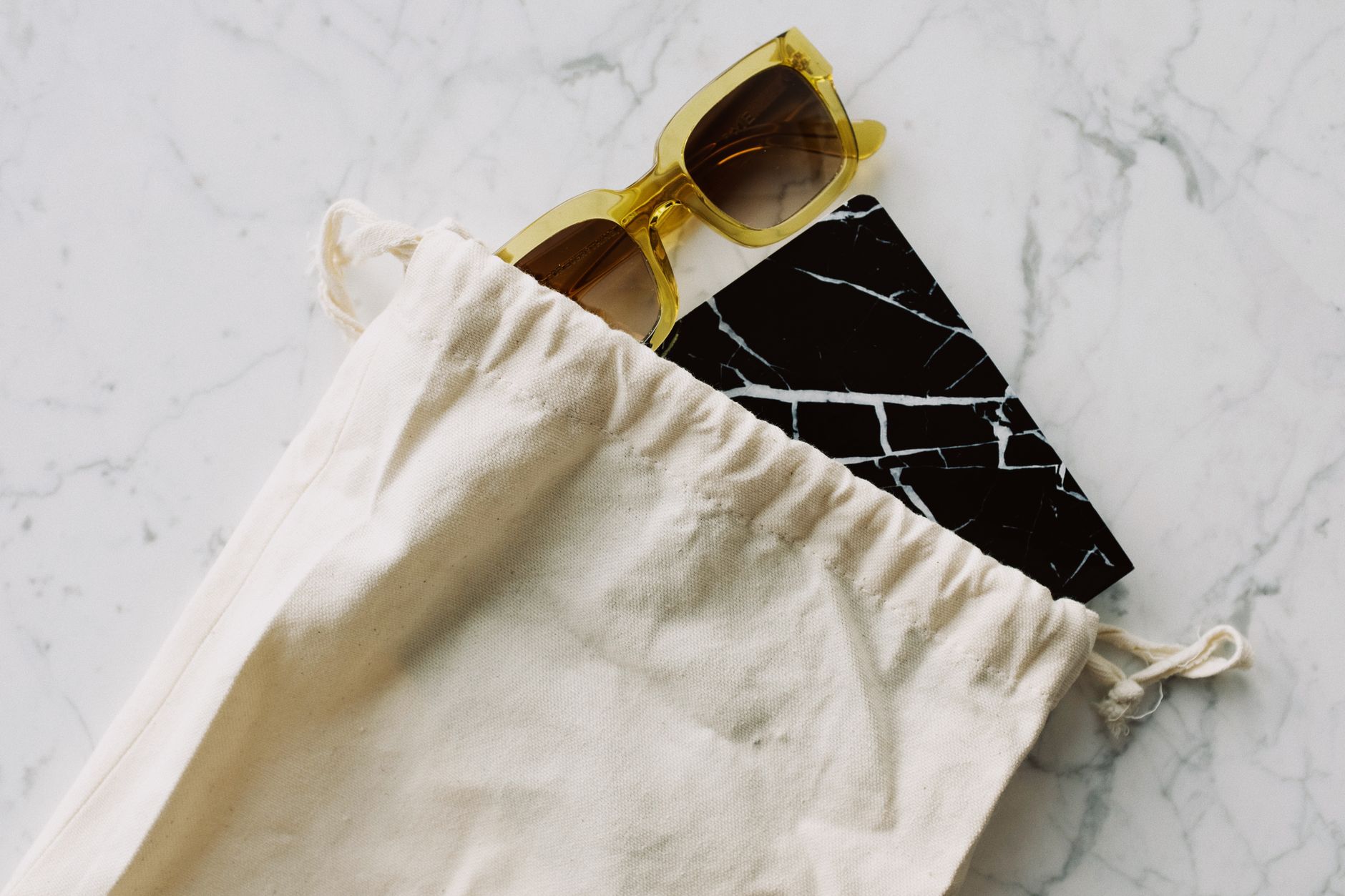
Choosing the right promotional product for your brand is never just about slapping a logo on something cheap and calling it done. In 2026, Australian businesses, marketing teams, and sporting clubs are increasingly being held to a higher standard — one that balances brand visibility with environmental responsibility. That’s exactly why custom organic cotton tote bags Australia wide have become one of the most sought-after promotional items in recent years. They’re practical, reusable, visually striking, and they send a clear message: your organisation actually cares about where its merch comes from. Whether you’re a Sydney-based marketing agency preparing for a product launch or a Brisbane sports club looking for a fundraiser item that resonates with eco-conscious members, this guide covers everything you need to know.
Why Organic Cotton Tote Bags Are Earning Their Place in Promotional Budgets
Before diving into the specifics of ordering, it’s worth understanding what sets organic cotton apart from standard cotton or non-woven polypropylene alternatives. Conventional cotton production is one of the most chemical-intensive agricultural processes in the world — it accounts for a significant portion of global pesticide use. Organic cotton, by contrast, is grown without synthetic pesticides or fertilisers, using methods that support soil health and reduce water consumption.
For Australian businesses navigating increasingly savvy consumers, this distinction matters enormously. When you hand someone a branded tote bag made from certified organic cotton, you’re not just giving them a bag — you’re making a values statement. Recipients tend to hold onto these products longer, use them more frequently, and associate the quality feel of the fabric with the quality of your brand.
If your team is already exploring other sustainable promotional directions, it’s worth reading our piece on wheat straw marketing giveaways in Australia to see how plant-based materials are reshaping the promo products landscape more broadly.
Choosing the Right Custom Organic Cotton Tote Bag for Your Brand
Not all organic cotton tote bags are created equal. When sourcing custom organic cotton tote bags in Australia, you’ll encounter a range of options across fabric weight, bag size, handle length, and certification status. Here’s how to navigate those choices.
Fabric Weight and Durability
Organic cotton tote bags are typically measured in grams per square metre (GSM). A lighter 140–180 GSM bag works well for retail or event giveaways where cost is a consideration. If you want something that feels premium and lasts for years — the kind of bag someone uses for grocery shopping every week — look at 280–320 GSM options. These heavier bags hold their shape better, handle heavier loads, and tend to print more crisply.
Certifications to Look For
If you’re going to market your tote bags as organic, it’s essential to source from suppliers who can provide GOTS (Global Organic Textile Standard) certification documentation. This ensures the entire supply chain — from field to finished product — meets rigorous environmental and social criteria. As an Australian business making sustainability claims, you also need to be mindful of consumer protection laws around “greenwashing.”
Size and Handle Options
Standard tote bag dimensions in Australia tend to run around 38cm x 42cm, which comfortably fits A4 documents, water bottles, and day-to-day items. Longer handles (around 70–80cm) allow for shoulder carry, which is often preferred for commuter and shopping use. Some styles also include an internal zip pocket or a natural jute base panel for added visual interest. For a completely different aesthetic, take a look at our guide to tote straw bags — a great complementary option for outdoor and lifestyle-focused campaigns.
Decoration Methods for Organic Cotton Tote Bags
One of the genuine joys of working with organic cotton totes is how beautifully they take to a variety of decoration techniques. Let’s run through the most common options.
Screen Printing
Screen printing is the go-to for bold, high-impact designs on cotton fabric. It works particularly well with 1–4 spot colours and delivers vibrant, lasting results. Setup fees apply per colour (typically $30–$80 per screen), but once those are paid, per-unit costs become very cost-effective at volume. A Perth retail brand running 500 units for a sustainability campaign would see excellent value here.
Natural or Eco-Friendly Inks
For brands that want to double down on their environmental credentials, water-based and soy-based inks are an ideal pairing with organic cotton. These inks bond with the fabric fibres rather than sitting on top, which means softer hand feel and excellent washability.
Embroidery
For corporate or premium gifting applications, embroidery on organic cotton tote bags creates a refined, tactile finish. It suits simpler logos with clean lines rather than intricate full-colour artwork. A Melbourne law firm or boutique agency might opt for embroidery to reflect their positioning in the premium end of the market.
Heat Transfer and DTG (Direct-to-Garment)
These methods work best for photographic or complex full-colour designs, or for small runs where screen printing setup fees aren’t justifiable. Direct-to-garment printing in particular is growing in capability and is well-suited to organic cotton’s natural fibre composition.
For more on how decoration choices affect quality across different product types, our overview of branded t-shirt printing options covers many of the same principles in useful depth.
Budgeting and Minimum Order Quantities for Custom Organic Cotton Tote Bags Australia
Understanding the cost structure before you approach a supplier will save you time and prevent scope creep. Here’s what to expect in a typical Australian order scenario.
Typical MOQs
Most local suppliers offer custom organic cotton tote bags from as low as 50–100 units, though pricing becomes significantly more attractive at 250+ units. Large-scale runs of 500 or 1,000 bags are common for conference giveaways, retail campaigns, and school fundraisers.
Pricing Ranges
As a general guide for the Australian market in 2026:
- 100 units, single colour screen print: Expect to pay $8–$14 per bag, plus setup fees
- 250 units, single colour: $6–$10 per bag
- 500+ units: $4–$7 per bag depending on GSM and supplier
Heavier GSM bags, additional print colours, or premium add-ons like zip pockets will increase these figures. Always request an itemised quote that separates product cost, decoration cost, setup fees, and freight — particularly if you’re ordering from a supplier based in a different state.
Turnaround Times
Standard production runs typically take 10–15 business days after artwork approval and payment. If you’re working towards a tight deadline — say, a Gold Coast trade expo in three weeks — discuss rush options early, as they may incur surcharges or limit your decoration choices.
Planning for a conference or event? You might also find value in our guide to promotional lollies for conference delegate packs when putting together a full delegate gift experience.
Use Cases: Who’s Ordering Custom Organic Cotton Tote Bags in Australia?
The versatility of organic cotton tote bags means they turn up across a genuinely diverse range of sectors. Here are some of the most common applications we see.
Corporate Marketing and Events
Adelaide and Sydney marketing teams regularly include branded organic tote bags in conference delegate packs, trade show bags, and new client welcome kits. They pair exceptionally well with other quality items — branded notebooks are a perennial favourite alongside tote bags, and our guide to spiral notebooks for promotional use is worth a look if you’re building out a full pack.
Sporting Clubs and Associations
Organic cotton tote bags are a brilliant fundraising product for sports clubs, particularly when sold to members and supporters. A Hobart netball club, for example, might order 200 bags in club colours, screen printed with the club crest, and sell them for $20–$25 each at the canteen or online. The margin is solid and the product genuinely gets used.
Retail and Small Business
Boutique retailers across Melbourne’s inner suburbs and Byron Bay-style markets have long embraced organic cotton as a brand staple. A custom tote sold or gifted to customers at point of sale becomes a walking advertisement — one that actively supports your brand’s sustainability story.
Schools and Education
Primary and secondary schools across Queensland and New South Wales regularly order organic cotton totes for fetes, fundraisers, and welcome packs for new students. The GOTS certification story is also a genuinely great talking point in school communities that prioritise sustainability education.
Charities and Not-for-Profits
If you’re working with a charity or NFP and cost is a real constraint, it’s worth having an honest conversation about whether organic cotton is the right call or whether a recycled material alternative might deliver similar eco-credentials at a lower price point. Check out our overview of recycled glass branded vases for interior design promotions as one example of how creative recycled material choices can communicate strong environmental values.
Practical Tips for a Smooth Ordering Process
Before you commit your budget, here are a few things experienced buyers always do:
- Order a pre-production sample before signing off on a full run, especially if you’re using a new supplier. Colours on screen never look exactly the same as ink on fabric.
- Supply print-ready artwork in vector format (AI or EPS files) to avoid artwork rework fees. If your logo only exists as a JPEG, budget extra time for your supplier to recreate it.
- Confirm PMS colour matching if your brand guidelines specify exact pantone colours — especially important for screen printing.
- Check freight costs early — a pallet of 1,000 tote bags is bulkier and heavier than people expect, and freight from interstate can add meaningful cost to your order.
If you’re new to managing branded merchandise orders more generally, our piece on promotional products ROI data offers useful context for justifying your spend internally.
You might also want to consider rounding out your merchandise offering with complementary products. Branded thermos bottles pair brilliantly with an organic tote for premium gifting, and our guide on promotional drawstring bags covers a budget-friendly alternative for when volumes are large and costs need to stay lean.
For sports clubs specifically, combining a custom tote with men’s branded t-shirts or a quality branded polo creates a coherent merchandise range that strengthens club identity.
Conclusion: Key Takeaways for Buying Custom Organic Cotton Tote Bags in Australia
Sourcing custom organic cotton tote bags in Australia is a smart move for brands that want to combine visibility, practicality, and genuine environmental credibility. They’re not the cheapest item on the promotional products shelf — but they’re one of the most effective.
Here are the key points to carry forward:
- Always verify certification. GOTS-certified organic cotton is the gold standard — if a supplier can’t provide documentation, be cautious about sustainability claims.
- Match GSM to your use case. Lightweight bags suit high-volume giveaways; heavier weights are better for premium gifting and long-term daily use.
- Choose your decoration method wisely. Screen printing with water-based inks is often the ideal pairing for both aesthetics and environmental alignment.
- Plan for lead times. Ten to fifteen business days post-approval is standard; rush orders cost more and limit options.
- Think beyond the bag. The best promotional merchandise campaigns combine complementary products — and an organic tote is just the beginning of a compelling eco-focused merch strategy.