
Dye Sublimation for All Over Print Custom Apparel: The Complete Australian Guide
Discover how dye sublimation creates vibrant all over print custom apparel for businesses, sports clubs & marketing teams across Australia.

Written by
Priya Kapoor
Branding & Customisation
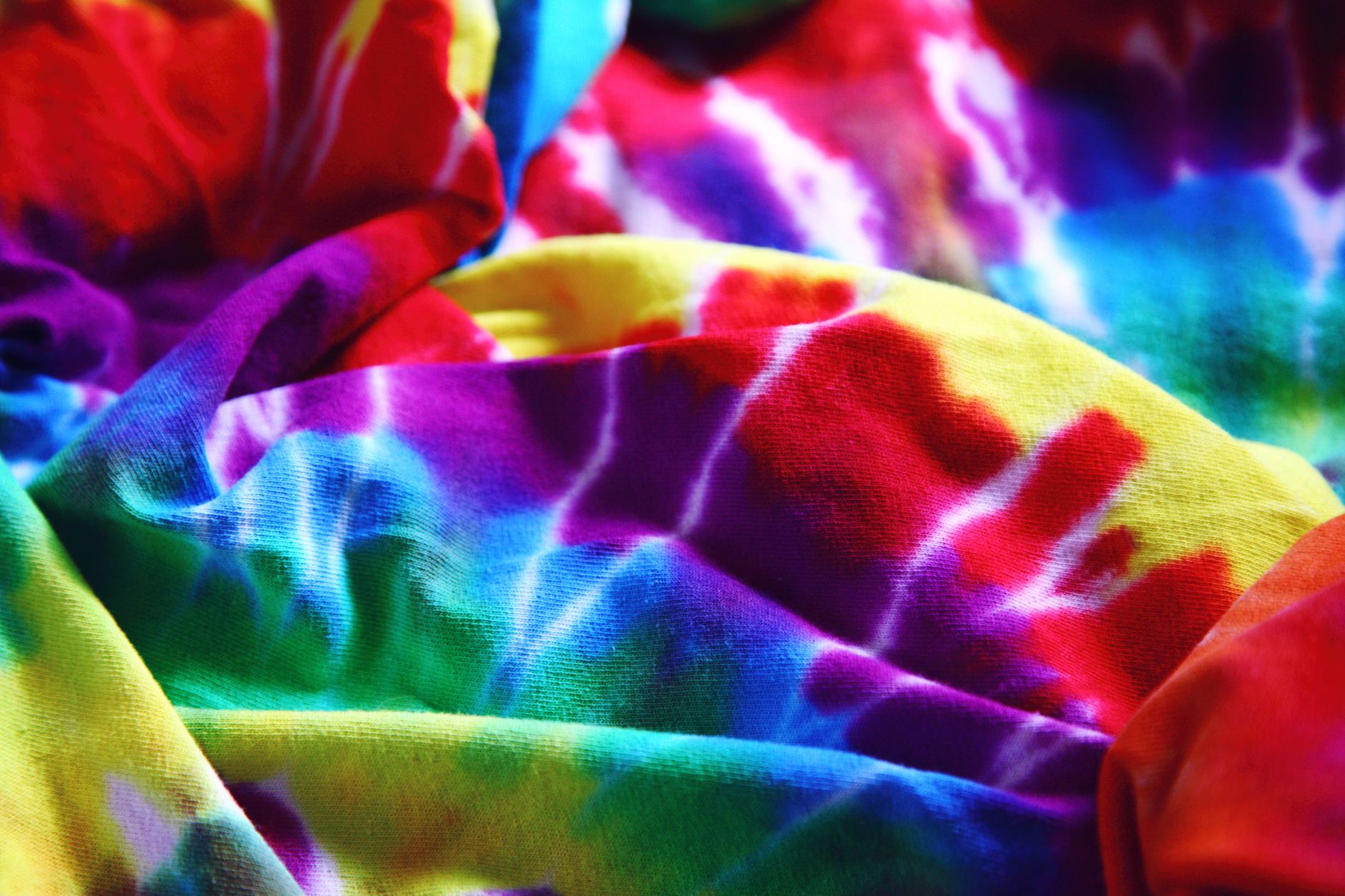
If you’ve ever held a piece of custom apparel that looks like it was literally born with its design — no cracking, no peeling, no borders — chances are it was created using dye sublimation. This remarkable decoration technique has transformed the way Australian businesses, sporting clubs, and marketing teams approach branded clothing, unlocking a world of edge-to-edge colour, photographic-quality imagery, and design freedom that simply isn’t possible with traditional printing methods. Whether you’re kitting out a Sydney corporate team for a conference, equipping a Brisbane football club with performance jerseys, or creating eye-catching event merchandise for a Melbourne trade show, understanding dye sublimation for all over print custom apparel could be the single most important decision you make for your next merch project.
What Is Dye Sublimation and How Does It Work?
Dye sublimation is a heat-based printing process that uses specialised inks which, when exposed to high heat and pressure, convert from a solid directly into a gas — bypassing the liquid phase entirely. This gas permeates the fibres of the fabric and bonds permanently at a molecular level, becoming part of the garment itself rather than sitting on top of it like a traditional ink layer.
The process typically involves three key stages:
- Design output — Your artwork is printed in reverse onto a special transfer paper using sublimation inks
- Heat press application — The paper is placed against the fabric and exposed to temperatures around 190–205°C under firm pressure for 30–60 seconds
- Gas permeation — The ink sublimates into the fabric fibres, bonding permanently and producing vivid, full-colour results
Because the ink becomes part of the fabric, the finished garment is incredibly soft to touch. There’s no raised surface, no texture change, and no risk of the design washing away or cracking over time. It’s worth noting that sublimation only works effectively on polyester or polyester-blend fabrics with a high white or light base — the process relies on the fabric’s polyester content to accept and hold the dye.
Why Dye Sublimation Is the Gold Standard for All Over Print Custom Apparel
The real magic of dye sublimation becomes clear when you compare it to alternatives like screen printing, heat transfer vinyl, or direct-to-garment (DTG) printing. While those methods are excellent for standard logo placements (you can read more in our guide to heat transfer on custom caps in Australia), dye sublimation operates on an entirely different level when the goal is full-garment coverage.
Edge-to-Edge Design Coverage
With sublimation, your design can run from the collar to the hem, sleeve tip to sleeve tip, and right around the back — seamlessly. There are no borders, no print panels, and no awkward gaps. This is what “all over print” genuinely means, and it’s why sports teams across Australia choose sublimation for their match-day jerseys, training gear, and warm-up apparel.
Unlimited Colour Without Added Cost
Traditional screen printing charges per colour — adding a third or fourth colour to your design can significantly increase the unit cost. Dye sublimation has no such limitation. A design using 50 different gradient colours costs the same to produce as one using five. For marketing teams working with complex brand identities, photographic elements, or detailed patterns, this is a genuine game-changer.
Exceptional Durability
Because the dye bonds with the polyester fibres themselves, sublimation prints are highly resistant to washing, stretching, and UV exposure. A Brisbane football club ordering sublimated training jerseys in 2026 can expect those garments to maintain their colour vibrancy through an entire season of regular washing — something that can’t always be guaranteed with applied decoration methods.
Soft, Breathable Results
Performance sportswear needs to move and breathe. Since sublimation adds no ink layer on top of the fabric, the garment’s moisture-wicking and breathability properties remain completely intact. This makes it the preferred choice for activewear, sports jerseys, cycling kits, and performance tees — anywhere the wearer’s comfort under physical exertion matters.
What Products Work Best With Sublimation?
Understanding which products are ideal candidates for dye sublimation will save you time, money, and disappointment. Here’s what works — and what doesn’t.
Ideal Sublimation Products
- Polyester sports jerseys and shorts — Football, netball, basketball, touch footy, AFL, cricket, and cycling clubs across Australia regularly use sublimation for their full team kits
- Performance tees and polos — Unlike custom embroidered Adidas polo shirts which suit formal corporate settings, sublimated polos lean more casual and athletic
- Sublimated caps and headwear — Great for events and teams wanting full-wrap patterns rather than a single logo position
- Sports socks — A surprisingly popular category for clubs wanting cohesive team branding
- Promotional beach towels — Full-bleed designs translate beautifully onto towelling products; see our thoughts on promotional beach towels for camping and caravan shows
- Sublimated singlets and compression garments — Ideal for running clubs, gyms, and fitness events
- Custom tote bags and drawstring bags — When made from polyester fabric, these work well with sublimation for vibrant event branding
Where Sublimation Has Limitations
- Dark or black garments — Sublimation requires a white or very light base to achieve accurate colours. It simply cannot produce white ink, so dark-coloured fabrics are not compatible with this technique
- Natural fibres — Cotton, linen, bamboo, and wool do not accept sublimation dyes. A 100% cotton tee will produce washed-out, faded results
- Low polyester blends — A 60/40 poly-cotton blend will produce a noticeably muted finish compared to 100% polyester
If you’re working with cotton apparel and need full-coverage prints, DTG printing or screen printing may be more appropriate alternatives.
Practical Ordering Considerations for Australian Buyers
Before you brief your supplier on a sublimated apparel project, there are several practical factors worth considering.
Minimum Order Quantities
One of the great advantages of sublimation is relatively flexible MOQs. Many Australian suppliers offer sublimated garments from as few as 10–20 pieces per design, making it accessible for smaller sporting clubs, startup businesses, or boutique events. That said, for the most competitive unit pricing, orders of 50+ are generally where the economics really improve.
Turnaround Times
Custom sublimated apparel typically requires 2–3 weeks from artwork approval to delivery within Australia. If you’re ordering from offshore manufacturers, factor in 3–6 weeks total lead time. For time-sensitive projects — like event merchandise for fun runs in Brisbane or corporate team-building events — always confirm production and delivery timelines upfront with your supplier. A good rule: never start a sublimation project less than four weeks from your deadline without discussing rush options.
Artwork Requirements
Sublimation is one of the most demanding decoration methods when it comes to artwork quality. Because designs are produced at garment scale with photographic fidelity, your files should be:
- Supplied as high-resolution PDFs, AI, or EPS files (minimum 150 DPI at actual print size)
- Designed in CMYK colour mode (RGB colours will shift during the sublimation process)
- Built on a white or transparent background to account for the white fabric base
- Inclusive of seam allowance guides if your supplier provides a template
Many suppliers provide garment templates showing panel sections and seam positions — always design within these to avoid critical elements being lost in stitching.
Budget Expectations
Sublimated custom apparel sits in the mid-to-premium price range. For a basic sublimated polyester performance tee at quantities of 50+, expect to budget somewhere in the range of $18–$35 per unit depending on garment quality and complexity of the design. Fully customised jerseys with individual player names and numbers will sit at the higher end. There are no per-colour setup fees, but there is typically a one-off design or setup fee — particularly if your supplier is creating or adapting artwork on your behalf.
For more context on evaluating the value of your branded merchandise investment, our look at promotional products ROI data is worth reviewing.
Sublimation Versus Other Decoration Methods: Choosing the Right Fit
Choosing dye sublimation for all over print custom apparel isn’t always the right call for every project — it depends heavily on your goals, fabric type, and budget. For corporate lanyards, embroidery, and accessories, other methods apply entirely. For example, custom logo lanyards and custom neck lanyards use entirely different decoration techniques suited to their materials.
The decision matrix is relatively simple:
| Situation | Best Method |
|---|---|
| Full-colour, edge-to-edge print on polyester | Dye sublimation |
| Single or two-colour logo on cotton tee | Screen printing |
| Premium logo on corporate polo or workwear | Embroidery |
| Small run, multi-colour on cotton | DTG printing |
| Single colour design on caps | Heat transfer or embroidery |
If your project spans multiple product types — say, sublimated jerseys for a sports club plus branded event swag for team-building events — consider working with a supplier who can manage both, allowing artwork consistency and streamlined delivery.
Tips for Getting the Most From Your Sublimation Project
A few practical pointers from experienced buyers across Australia:
- Request a physical sample or digital proof before approving a full run — colour calibration can vary between monitors and actual printed output
- Order a size run — particularly for sports clubs with mixed player sizes; it’s far more cost-effective than reordering individual sizes later
- Consider sublimating accessories to match — sublimated water bottles, socks, and caps can create a cohesive team or event aesthetic
- Work with Australian suppliers where possible for shorter lead times, especially for events in Adelaide, Perth, Hobart, or Darwin where freight can add days to delivery
- Brief your designer early — full-garment templates require more design time than a standard logo placement brief
For clubs managing broader merchandise programs, explore complementary products like personalised team captain armbands for sports awards to round out your offering without adding complexity to your sublimation order.
Conclusion: Key Takeaways
Dye sublimation for all over print custom apparel remains one of the most powerful, versatile, and visually impressive decoration methods available to Australian marketing teams, businesses, and sports clubs today. When applied to the right garment with strong artwork, the results are genuinely stunning — and they last.
Here are the key points to carry forward:
- Sublimation is only suitable for polyester or high-poly-blend fabrics on a white or very light base — fabric choice is non-negotiable for quality results
- All over print means genuine edge-to-edge coverage — no limits on colour complexity, placement, or design ambition
- MOQs are relatively low (from 10–20 pieces), making sublimation accessible for clubs and small businesses, not just large enterprises
- Plan for 2–4 weeks turnaround and supply high-resolution CMYK artwork — preparation is the biggest factor separating great results from disappointing ones
- Sublimation excels for sportswear, performance apparel, and event clothing where colour vibrancy, durability, and fabric comfort all matter simultaneously
Whether you’re outfitting a Canberra netball club or creating branded activewear for a Gold Coast corporate wellness initiative, dye sublimation gives you the creative freedom to produce apparel that genuinely stands out — garment by garment.