
How to Get a Mug Customised: The Complete Australian Guide for Businesses and Teams
Discover how to get a mug customised for your Australian business, marketing team, or sports club. Tips on decoration, MOQs, and more.

Written by
Callum Drake
Drinkware
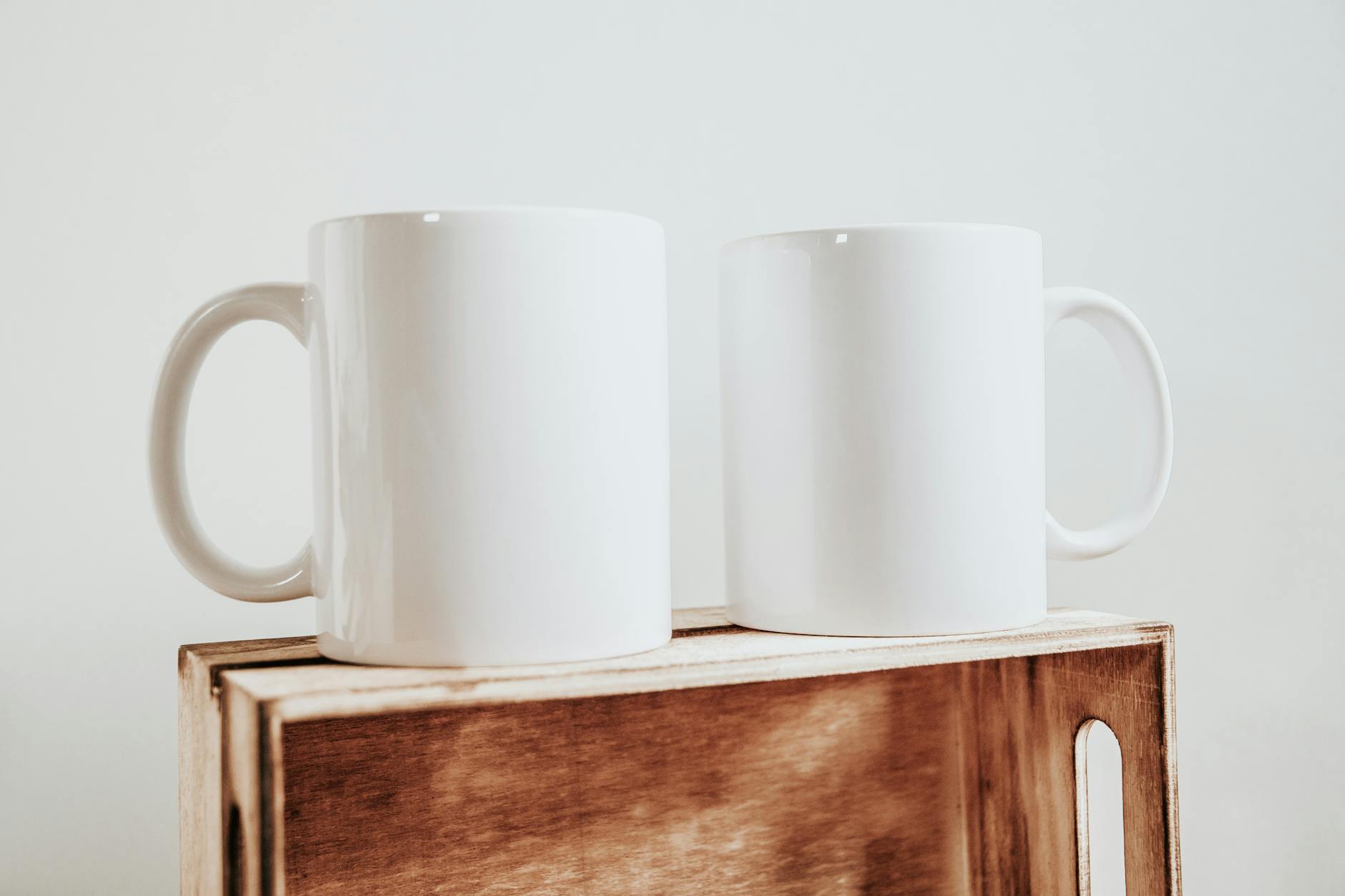
Getting a mug customised sounds simple enough — slap a logo on a ceramic cup and you’re done, right? In reality, there’s quite a bit more to consider if you want a finished product that looks sharp, holds up over time, and genuinely represents your brand. Whether you’re a Sydney marketing team preparing for a product launch, a Brisbane sports club rewarding its volunteers, or a Melbourne business looking for practical corporate gifts, a custom mug done well can be a powerful brand touchpoint. Done poorly, it ends up at the back of a cupboard by week two. This guide covers everything you need to know to get it right — from choosing the right mug style and decoration method to managing budgets, minimum order quantities, and turnaround times.
Why a Mug Customised with Your Brand Still Works in 2026
In an era of digital marketing and fleeting social media impressions, there’s something quietly powerful about a physical object used every single day. Mugs are one of the most retained promotional products in existence. Research consistently backs this up — if you want to understand the broader case for investing in physical branded items, our breakdown of promotional products ROI data is worth reading before your next procurement decision.
The reason mugs perform so well is straightforward. People drink coffee, tea, and hot chocolate constantly — in the office, at their desk, during video calls, and in the kitchen at home. Each time someone wraps their hands around a branded mug, your logo appears in their field of view. That’s repeated exposure with zero ongoing cost after the initial order.
For sports clubs in particular, a quality mug makes an affordable and meaningful award or thank-you gift. Pairing it with something like a personalised team captain armband makes a memorable recognition package without blowing the annual budget.
Choosing the Right Mug Style for Your Purpose
Not all mugs are created equal, and the right choice depends heavily on how and where the mug will be used.
Ceramic Mugs
The classic option. Ceramic mugs are the go-to for office environments, staff gifts, and corporate merchandise. They come in a standard 11oz (330ml) or larger 15oz (440ml) size, they’re dishwasher safe, and they take printed designs extremely well. If your brand has complex artwork, gradients, or photographic elements, ceramic is often the best canvas.
Enamel Mugs
Enamel mugs have had a serious resurgence in popularity, particularly for outdoor events, camping promotions, and trade shows. They have a retro aesthetic that resonates with certain audiences. An Adelaide business running a camping and outdoor product promotion, for instance, might pair enamel mugs with promotional beach towels as part of a cohesive outdoor-themed pack.
Colour-Changing Mugs
Heat-activated mugs that reveal a hidden design or message when hot liquid is added are popular for novelty campaigns and fun giveaways. They’re particularly effective at trade shows and exhibitions where the “wow factor” helps draw attention to a stand. If you’re running a booth at a Melbourne expo, consider combining them with other eye-catching event merchandise for exhibitions.
Stainless Steel Travel Mugs
For audiences who are always on the move — tradies, commuters, gym-goers — a stainless steel travel mug or keep cup is often a more relevant choice than a standard ceramic. These sit at a higher price point but offer significantly more perceived value. Marketing teams putting together luxury corporate gifts often include premium travel mugs as part of a curated hamper or gift box.
Decoration Methods for a Customised Mug
This is where many first-time buyers get caught out. The decoration method you choose affects not just the look of the finished product, but also its durability, colour accuracy, and cost per unit.
Sublimation Printing
Sublimation is the most popular method for customising ceramic mugs. The process uses heat and pressure to bond dye directly into the surface of the mug, producing full-colour, edge-to-edge prints with excellent vibrancy and durability. The design won’t peel, crack, or fade easily — even with regular dishwasher use. Sublimation is ideal when you have detailed artwork, photographic imagery, or want to wrap a design fully around the mug.
One important note: sublimation only works on white or light-coloured mugs. If you want a coloured mug — black, navy, red — you’ll need to consider other methods or accept that only certain areas will be printable.
Pad Printing
Pad printing is a cost-effective option for simple, single or spot-colour designs — typically a logo and text. It works well on cylindrical surfaces and is commonly used for mugs, pens, and other curved items. If you’re ordering large volumes and your branding is straightforward, pad printing delivers consistent, clean results at a lower cost per unit. Our detailed guide on pad printing services for promotional products explains the process in more depth.
Laser Engraving
Laser engraving removes the surface material to reveal the base layer beneath, creating a permanent, tactile impression. It’s typically used on enamel or stainless steel mugs rather than ceramic. The result is sophisticated and premium — ideal for executive gifts or recognition awards. It pairs particularly well with other engraved pieces if you’re building a corporate gift set.
Digital Printing
For short runs with complex or full-colour artwork, digital printing offers flexibility where sublimation may not be suitable. It’s worth discussing with your supplier which method suits your artwork, substrate, and budget.
Minimum Order Quantities and Budgeting
Most Australian promotional product suppliers require a minimum order quantity (MOQ) for customised mugs. For ceramic mugs with sublimation or pad printing, you’ll typically see MOQs starting from 12 to 24 units, though some suppliers offer lower quantities at a higher per-unit cost. For budget planning purposes, here’s a rough guide:
- Basic ceramic mug, pad printed (1 colour): $4–$8 per unit at 100+ quantity
- Ceramic mug, full-colour sublimation: $6–$12 per unit depending on quantity
- Premium enamel mug, laser engraved: $12–$20 per unit
- Stainless steel travel mug, laser engraved: $18–$35 per unit
Setup fees are common, particularly for pad printing and screen printing — budget $50–$100 per colour per position for initial setup. These fees are often waived or reduced on repeat orders.
If you’re sourcing from a local supplier, you’ll often get better support for artwork queries, colour matching, and tight deadlines. Check out our roundup of local promotional product suppliers in Adelaide if you’re in South Australia — similar directories exist for other states.
Artwork Requirements and Colour Matching
Supplying the right artwork is one of the most common pain points in any branded merchandise order. For mug customisation, your supplier will typically need:
- Vector files (AI, EPS, or PDF) for logo-based artwork
- High-resolution raster files (minimum 300 DPI at print size) for photographic designs
- PMS (Pantone Matching System) colour codes if precise brand colour matching is critical
Sublimation printing uses CMYK colour profiles, so there may be slight differences between screen colours and printed output. If you need absolute colour accuracy — for example, matching a specific brand red or navy — discuss this with your supplier upfront and request a physical sample before committing to a full run.
Turnaround times vary depending on decoration method and supplier capacity. Standard production is typically 7–14 business days after artwork approval. Rush orders may be available, but expect to pay a premium and always confirm realistic delivery dates before signing off.
Mug Customisation for Specific Use Cases
Understanding how the product will be used helps narrow down your options considerably.
Corporate and Office Use
For a Canberra government department or a Perth corporate office, a clean, professional ceramic mug with a logo and tagline is a reliable choice. Paired with other desk essentials, it makes a sensible addition to a welcome pack for new staff. If you’re building a broader end-of-financial-year campaign, our guide on EOFY promotional products has useful context on timing and product selection.
Events and Conferences
At trade shows and conferences, branded mugs work well as delegate gifts — particularly when bundled with other items like notebooks, pens, and promotional lollies for conference delegate packs. A mug that attendees keep and use at home extends the life of your event branding well beyond the day itself.
Sports Clubs and Community Groups
A Gold Coast football club, for example, might order mugs as thank-you gifts for coaches and volunteers at end-of-season. Combining a customised mug with other club merchandise — think promotional drawstring bags or embroidered shirts — creates a cohesive and appreciated gift package.
Eco-Conscious Organisations
If sustainability is central to your brand values, there are genuinely eco-friendly mug options available. Mugs made from bamboo fibre composites or recycled materials are growing in popularity. For more ideas on sustainable branded merchandise, our guide on wheat straw marketing giveaways and green branded merchandise for Earth Hour events are excellent starting points.
Key Takeaways
Getting a mug customised for your Australian business, sports club, or marketing team is a smart and cost-effective branding investment — but the details matter. Here’s what to keep in mind before you place your order:
- Choose the mug style based on your audience and use case — ceramic for office and corporate use, enamel or stainless steel for outdoors or premium gifting, colour-change for novelty campaigns.
- Match your decoration method to your artwork — sublimation for full-colour designs on white mugs, pad printing for simple logos at volume, laser engraving for a premium, permanent finish.
- Prepare print-ready artwork before approaching a supplier — vector files and PMS codes will save time and prevent colour matching headaches.
- Plan for setup fees and MOQs — factor these into your per-unit cost, especially for smaller orders.
- Request a sample before committing to a full production run — this is particularly important for colour-critical branding or complex artwork.
A well-chosen, beautifully decorated mug has a genuinely long shelf life as a promotional item. Get the details right and it becomes a daily reminder of your brand — sitting on someone’s desk in Darwin or wrapped around hands on a cold Hobart morning — long after the campaign that funded it has wrapped up.