
How to Use Photographs Printed on Promotional Products for Lasting Brand Impact
Discover how photographs printed on branded merchandise can elevate corporate gifts, boost engagement, and create memorable impressions for Australian businesses.

Written by
Daniel Voss
Corporate Gifts
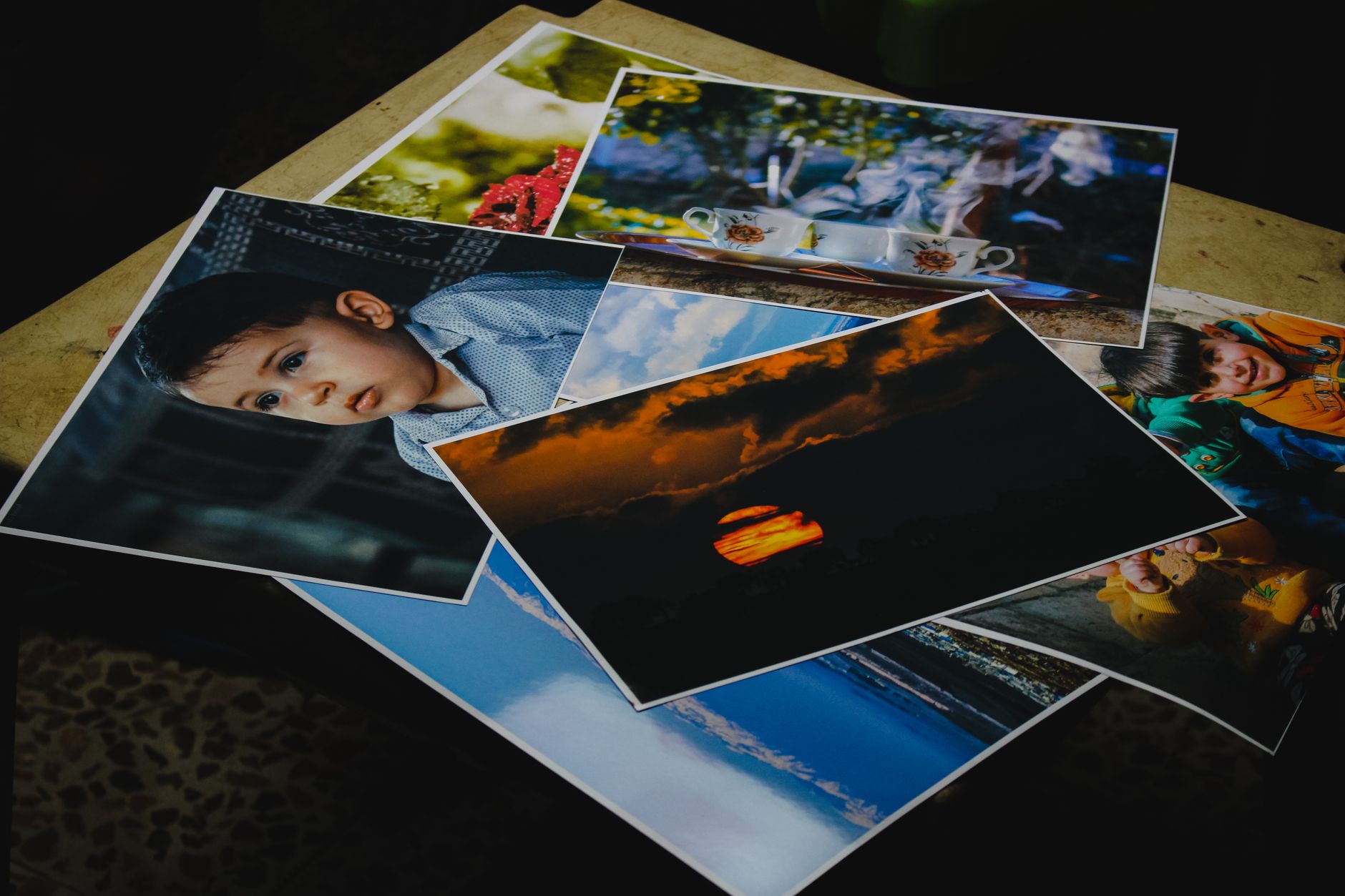
There’s something uniquely powerful about a photograph. It captures a moment, tells a story, and creates an emotional connection that plain logos and text rarely achieve on their own. For Australian marketing teams and businesses looking to stand out in a crowded market, having photographs printed on promotional products and corporate gifts is one of the most effective — and underutilised — strategies available. Whether you’re commemorating a team milestone, celebrating a client relationship, or creating a truly personalised gift experience, photo-printed merchandise delivers impact that lasts long after the event is over.
Why Photographs Printed on Merchandise Work So Well
The psychology behind photo-printed products is straightforward: people respond to imagery that feels personal and meaningful. A branded pen or tote bag is useful, but a product featuring a powerful photograph — whether it’s a team photo, a stunning landscape, or a custom graphic — becomes something the recipient genuinely wants to keep and display. That’s the holy grail of promotional merchandise: products people actually use and love, rather than items that end up in a drawer.
For corporate gifting specifically, photo-printed products elevate the perceived value of a gift significantly. A customised mug featuring a team photo or a meaningful image communicates thoughtfulness and effort. The same logic applies to a range of product categories, from drinkware and apparel to tech accessories and stationery.
In 2026, with businesses investing more deliberately in marketing ROI, understanding how promotional products perform as a return on investment has never been more important. Photo-printed merchandise consistently performs well because of its high perceived value and emotional resonance.
What Types of Products Work Best?
Not every promotional product lends itself equally well to having photographs printed on it. The best results come from products that offer a large, flat, printable surface area and are made from materials compatible with high-quality photographic reproduction. Here are some of the most popular and effective options:
Drinkware: Mugs, keep cups, and metal water bottles are perennial favourites. A full-colour photo wrap around a ceramic mug, for instance, creates a striking centrepiece for a desk. These products are used daily, which means repeated brand impressions over months or even years.
Apparel: A printed t-shirt or promotional jacket featuring a full-colour photographic print can make a bold statement at events, charity runs, or team-building days. Sublimation printing, in particular, allows for edge-to-edge photographic imagery on polyester fabrics.
Bags and totes: A tote straw bag or promotional drawstring bag featuring a vivid printed photograph is a practical, eye-catching gift for conference delegates, beach events, or community programmes.
Notebooks and stationery: Spiral notebooks with a custom photo cover make excellent corporate gifts and onboarding kits. Pair them with branded accessories for a cohesive gifting experience.
Beach towels: For outdoor events, surf clubs, or summer activations, promotional beach towels with photographic sublimation prints are a standout product that recipients genuinely treasure.
Choosing the Right Decoration Method for Photographs Printed on Products
This is where many businesses get tripped up. Not all decoration methods are created equal when it comes to reproducing photographs with accuracy and vibrancy. Understanding which technique suits your product and budget is essential.
Sublimation Printing
Sublimation is widely considered the gold standard for having photographs printed on promotional products. This process uses heat and pressure to transfer dye directly into the material, resulting in vibrant, photographic-quality imagery that won’t crack, peel, or fade. It works best on polyester fabrics and polymer-coated hard goods. If you’re creating photo-printed beach towels, sports apparel, or mugs, sublimation is almost certainly your best option.
The main limitation is that sublimation only works on white or very light-coloured substrates, and the product must be polyester or polymer-coated. For darker products or natural materials, you’ll need to consider alternatives.
Digital Printing
Also known as direct-to-garment (DTG) printing for apparel, digital printing is a versatile method that can reproduce detailed photographic imagery on cotton and cotton-blend fabrics. It’s ideal for smaller runs and allows for high-resolution photo reproduction without the need for screens or plates. Keep in mind that results on darker fabrics may require a white base layer, which can affect the final appearance.
UV Printing
UV printing is excellent for hard goods — think phone cases, notebooks, metal panels, or promo flash drives. The process uses UV-cured inks to print directly onto the surface, producing sharp, detailed images with excellent durability. It’s a fantastic option for premium corporate gifts where quality is paramount.
Pad Printing
While pad printing services are highly effective for single or multi-colour logos, they’re generally not suitable for full photographic reproduction. Pad printing uses a silicone pad to transfer ink from an etched plate to the product surface, which limits colour blending and fine detail. If your artwork is photographic in nature, it’s worth discussing alternatives with your supplier.
Practical Considerations Before You Order
Getting photographs printed on promotional products successfully requires a bit of planning. Here’s what to keep in mind before you place an order.
Artwork and Image Quality
This is the most critical factor. Photographs used for print must be high resolution — typically 300 DPI (dots per inch) at the intended print size. Images pulled from social media or websites are almost always too low in resolution and will produce blurry, pixelated results. Always use original, high-resolution files and confirm acceptable file formats (JPEG, PNG, or PDF are commonly accepted) with your supplier.
Minimum Order Quantities
MOQs vary significantly depending on the product and decoration method. Sublimation mugs may have an MOQ as low as 12–24 units, while apparel items often start at 50 pieces. Some photo products — particularly premium items like printed metal panels or engraved products — may require smaller MOQs. Always clarify this upfront, especially if you’re ordering for a smaller team or event.
Turnaround Times
Photo-printed products often require slightly longer production times than standard single-colour print items, particularly if sublimation or UV printing is involved. In general, allow 10–15 business days for production, plus freight time. If you’re in a time-sensitive situation — say, a Sydney conference with a hard event date — communicate this clearly and ask about rush production options.
Proofs and Approval
Always request a digital proof before production commences. Photo printing involves colour calibration that can differ between screens and printed output. Reviewing a proof gives you the opportunity to make adjustments before any product is committed to.
Photo-Printed Gifts Across Different Sectors
Photo merchandise isn’t just for corporate teams. The applications span a wide range of Australian industries and organisations.
Sporting clubs and associations can create deeply meaningful gifts with photo-printed products. Imagine a Melbourne football club producing custom photo mugs or framed prints commemorating a premiership season. Pair these with personalised team captain armbands for sports awards for a complete recognition package.
Events and conferences benefit enormously from photo merchandise. A Brisbane conference might give delegates promotional sticky notes alongside a custom photo notebook as part of a delegate pack — perhaps complemented by promotional lollies for a memorable unboxing experience.
Real estate agencies and interior designers can incorporate photo-printed merchandise into their branding. Consider recycled glass branded vases alongside lifestyle photography prints as part of a property showcase gift.
Eco-conscious brands and councils might pair photo-printed products with sustainable items like wheat straw marketing giveaways to communicate their environmental values through every element of a gift set.
Beer festivals and food events can use photo merchandise to create collectible items. A Gold Coast beer festival producing limited-edition photo-printed festival merchandise — say, commemorative bottles or branded glassware — gives attendees something to remember the experience by. This pairs nicely with our guide to promotional merchandise for beer festivals in Australia.
Regional businesses are also embracing photo merchandise. For businesses in regional areas, custom printed gifts make a lasting impression — our guide to promotional products for businesses in Phillip Island is a great starting point for regionally-focused ideas.
Health and wellness organisations can include photo-printed products alongside practical items like promotional sunscreen for pharmaceutical companies in curated gift packs.
Budgeting for Photo-Printed Merchandise
Costs for photo-printed products vary widely depending on the product, decoration method, and quantity. As a rough guide:
- Photo mugs (sublimation): $8–$18 per unit at moderate quantities
- Custom photo t-shirts (digital print): $20–$45 per unit depending on garment quality and print area
- Photo notebooks (digital or UV print): $12–$30 per unit
- Photo beach towels (sublimation): $25–$55 per unit
Bulk pricing tiers apply across most categories — ordering 100 units versus 25 will typically reduce the per-unit cost significantly. Setup fees may also apply for certain decoration methods, though these are often waived or reduced for larger orders.
Key Takeaways
Getting photographs printed on promotional products is a smart, high-impact strategy for Australian businesses, marketing teams, and sporting clubs looking to create gifts that truly resonate. Before you order, keep these points front of mind:
- Sublimation and digital printing are the most effective methods for reproducing high-quality photographic imagery on promotional products.
- Image resolution is everything — always use 300 DPI files to ensure crisp, professional results.
- Product selection matters — choose items with large, flat printable surfaces like mugs, beach towels, t-shirts, and notebooks for the best photographic results.
- Plan ahead — photo-printed products typically require 10–15 business days for production, so factor this into your event or gifting timeline.
- Think beyond the logo — meaningful photography creates emotional connections that outlast standard branded merchandise, making it ideal for premium corporate gifts and recognition programmes.