
Branded T-Shirts for Men: The Ultimate Guide for Businesses and Sports Clubs
Discover how to choose, design, and order branded men's t-shirts for your business or sports club. Expert tips on decoration, MOQs, and budgeting.

Written by
Ryan Gallagher
Custom Apparel
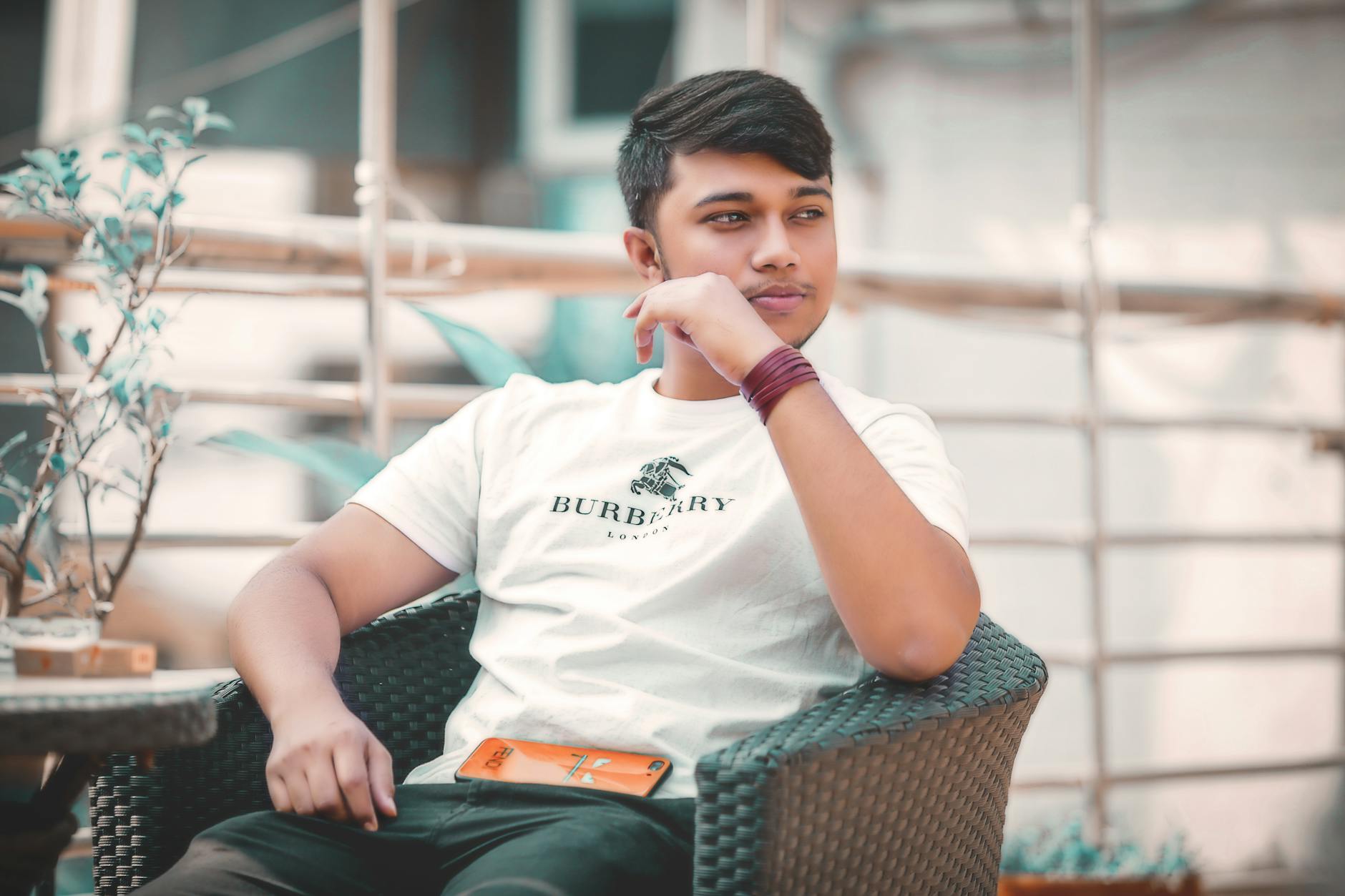
When it comes to promotional merchandise that actually gets worn, few products deliver as consistently as branded t-shirts for men. Whether you’re kitting out a trade show team in Sydney, creating match day uniforms for a Brisbane football club, or rewarding staff with quality corporate apparel, a well-designed men’s branded tee punches well above its weight. It’s wearable advertising that travels with your audience — into supermarkets, gyms, parks, and public transport — putting your brand in front of new eyes every single day. But not all branded tees are created equal, and getting the details right can mean the difference between a garment people wear proudly and one that ends up in the back of a drawer.
Why Branded T-Shirts for Men Remain a Marketing Staple
There’s a reason custom t-shirts have survived every trend cycle in the promotional products industry. They’re practical, universally understood, and deeply versatile. A men’s branded t-shirt works equally well as a staff uniform, a corporate giveaway, a sporting club jersey, a charity fundraiser item, or a conference handout — adapting to almost any context with the right design choices.
From a return on investment perspective, branded apparel consistently outperforms many other promotional categories. According to data explored in our overview of promotional products ROI, wearable merchandise generates repeated impressions over months or even years. A quality t-shirt worn regularly creates hundreds — or even thousands — of brand impressions per year at a fraction of the cost of digital advertising.
For marketing teams managing tight budgets, this is particularly compelling. High-quality decorated tees can be sourced for as little as $8–$12 per unit at scale, with mid-range options sitting between $15–$25 depending on fabric, weight, and decoration complexity. Premium 100% cotton or cotton-blend styles suitable for corporate gifting or retail-style merch drops can run higher, but the unit cost per impression still compares favourably to most paid media.
The Versatility Factor
What makes men’s t-shirts especially powerful in a promotional context is that they transcend audience types. A 45-year-old accountant in Melbourne and a 22-year-old tradie in Perth both wear t-shirts regularly. This broad demographic reach makes them one of the safest bets when ordering branded merchandise for a mixed audience — a key consideration for large corporate events or community campaigns.
Choosing the Right Style and Fabric for Your Campaign
Not every t-shirt suits every purpose, and this is where many first-time buyers go wrong. Before placing an order, it’s worth thinking carefully about who will be wearing the shirt, in what context, and how long you need it to last.
Fabric and Weight Considerations
The most common fabric choices for men’s branded t-shirts in Australia are:
- 100% cotton (180–200gsm): The classic choice. Breathable, comfortable, and ideal for screen printing. Great for casual giveaways, events, and sports clubs. Can shrink slightly after washing, so sizing up is often recommended.
- Cotton-polyester blend (50/50 or 65/35): More durable and less prone to shrinkage. Holds colour well and is slightly more resistant to wear. Popular for workwear and staff uniforms.
- Performance polyester or moisture-wicking fabrics: Ideal for sporting clubs, outdoor events, and any application where the wearer will be physically active. Sublimation printing works exceptionally well on 100% polyester.
- Heavyweight cotton (220gsm+): Increasingly popular for premium branded merchandise, retail-style drops, and corporate gifting. Feels more substantial and premium in hand.
For a Gold Coast sporting club ordering pre-season training tees, a moisture-wicking polyester blend makes practical sense. For a Canberra government agency creating staff recognition gifts, a heavyweight cotton tee with a subtle embroidered logo reads as far more premium.
Fit and Sizing
Men’s branded t-shirts typically come in regular fit, slim fit, and relaxed or oversized cuts. Knowing your audience helps here — corporate audiences often prefer a cleaner, fitted silhouette, while sports clubs and outdoor events lean toward relaxed or athletic cuts. Always request a size run breakdown before ordering, and consider ordering a sample to check sizing consistency before committing to full production.
Decoration Methods for Men’s Branded T-Shirts
The decoration method you choose affects not just appearance but durability, minimum order quantities, lead times, and cost. Here’s a practical breakdown of the most common approaches.
Screen Printing
Screen printing is the industry workhorse for men’s branded t-shirts. It delivers vibrant, durable results on cotton and cotton-blend fabrics at competitive pricing — particularly at volumes of 50 units or more. Each colour in your design requires a separate screen, so designs with one to four colours tend to offer the best value. Complex gradients or photographic imagery are better suited to digital printing.
Setup fees typically range from $30–$60 per colour, but these are spread across the full order, making screen printing increasingly cost-effective at higher quantities. Typical MOQs sit around 24–50 units depending on the supplier.
Embroidery
For a premium finish — think polo shirts, staff uniforms, and corporate branded tees — embroidery adds a tactile, professional quality that screen printing can’t replicate. It works best on chest logos, left-chest branding positions, and sleeve placement. Embroidery is generally better suited to structured garments rather than lightweight jersey cotton, so it pairs particularly well with heavier cotton tees or polos. Setup involves a digitising fee (typically $30–$60 as a one-off cost), after which the design can be reused across future orders.
Sublimation
Sublimation printing bonds dye directly into the fabric at a molecular level, making it incredibly durable and allowing for full-colour, all-over designs. It’s ideal for polyester fabrics and works particularly well for sporting club kits, where bold, edge-to-edge designs are standard. If your sporting club is also thinking about personalised team captain armbands or other custom sports accessories, sublimation often works across multiple product categories within the same range.
Direct-to-Garment (DTG) Digital Printing
DTG printing is a good choice for small runs (under 20 units), complex photographic designs, or where multiple colourways are needed without the setup cost of screen printing. The per-unit cost is higher than screen printing at volume, but the flexibility it offers for intricate artwork is valuable for certain campaigns.
Ordering Tips for Marketing Teams and Sports Clubs
Whether you’re a marketing manager in Adelaide overseeing a national campaign or the volunteer treasurer of a Darwin footy club, the ordering process comes with a few universal best practices worth knowing.
Plan Your Quantities Carefully
Over-ordering tees creates storage headaches; under-ordering means you can’t accommodate late requests and may face a reorder at a higher per-unit cost. A practical approach: survey your audience first, add a 10–15% buffer for losses, replacements, or late joiners, and be clear about your MOQ requirements with your supplier upfront.
Prepare Your Artwork Properly
Poor artwork is the single most common cause of production delays. For screen printing and embroidery, supply vector files (AI, EPS, or SVG format) wherever possible. For digital and DTG printing, high-resolution raster files (300dpi minimum) are acceptable. Confirm your brand’s PMS colour codes to ensure colour matching across different decoration methods — especially important if you’re ordering t-shirts alongside other branded merchandise such as custom printed tote bags or promotional drawstring bags.
Understand Turnaround Times
Standard production runs typically take 10–15 business days from artwork approval. Rushed orders are possible but attract premium charges. If you’re ordering for a specific event, work backwards from your delivery date and add buffer for any artwork revisions. For businesses in regional areas or interstate deliveries (say, from a Sydney-based decorator to clients in Hobart or Darwin), factor in additional freight time.
Sample Orders
For large or ongoing orders, always request a pre-production sample before approving full production. This allows you to check sizing, colour accuracy, print placement, and fabric quality. Most reputable decorators offer this as standard practice, though there may be a small fee.
Complementing Your Branded T-Shirts With Other Merch
A well-executed branded t-shirt campaign often sits within a broader merchandise strategy. Marketing teams ordering tees for a conference or product launch frequently pair them with other branded items to create a more complete experience. Branded drinkware like custom metal water bottles or personalised mugs are natural companions. For outdoor events or activations, consider adding promotional beach towels or promotional jackets to build out a cohesive range.
Tech accessories such as promo flash drives or branded stationery like spiral notebooks work well in conference packs alongside a tee. If sustainability is a priority for your brand, pairing men’s tees with wheat straw marketing giveaways or eco-friendly promotional items signals genuine environmental commitment. And if you’re putting together delegate packs, consider rounding out the package with crowd-pleasing extras like promotional lollies.
For businesses exploring the full range of branded apparel options, our guide to custom printed t-shirts covers additional design and product selection considerations worth reading alongside this post.
Budget Planning for Branded T-Shirts
Here’s a practical tier guide to help frame your budget:
- Entry level ($8–$14 per unit at 100+ units): Basic cotton or cotton-poly blend, single or two-colour screen print. Suits large-scale giveaways, school events, or sporting club membership tees.
- Mid-range ($15–$25 per unit at 50–100 units): Better fabric quality (180gsm+), multi-colour screen print or embroidery, size range S–3XL. Suits staff uniforms, corporate events, and club kits.
- Premium ($25–$45+ per unit at 24–50 units): Heavyweight or performance fabric, full-colour or sublimated decoration, individual bagging or premium retail presentation. Suits executive gifting, brand launches, or retail-ready merch.
Conclusion: Key Takeaways for Ordering Branded T-Shirts for Men
Getting the most from your branded t-shirts for men investment comes down to preparation, product selection, and working with a decorator who understands your requirements. Here’s a quick summary of what to keep in mind:
- Match fabric to function — moisture-wicking for sport, heavyweight cotton for premium gifting, cotton-poly blend for everyday staff uniforms
- Choose your decoration method wisely — screen printing offers the best value at volume, embroidery adds premium quality, sublimation delivers full-colour performance for sport and outdoor applications
- Plan quantities and artwork early — poor artwork and rushed orders are the two most common causes of delays and cost blowouts
- Think beyond the tee — branded t-shirts work best as part of a broader merchandise mix that reinforces your brand message across multiple touchpoints
- Get samples before full production — especially for large orders or new decorating relationships, a physical sample protects your investment and avoids surprises on delivery day
Whether you’re a marketing team in Melbourne building out a campaign asset suite, or a sporting club in Brisbane gearing up for the new season, a well-executed branded men’s tee remains one of the most reliable, cost-effective pieces of merchandise you can invest in.