
Tee Shirts Printed with Your Logo: The Complete Australian Ordering Guide
Everything Australian businesses, marketing teams & sports clubs need to know about ordering custom printed tee shirts in 2026.

Written by
Ryan Gallagher
Custom Apparel
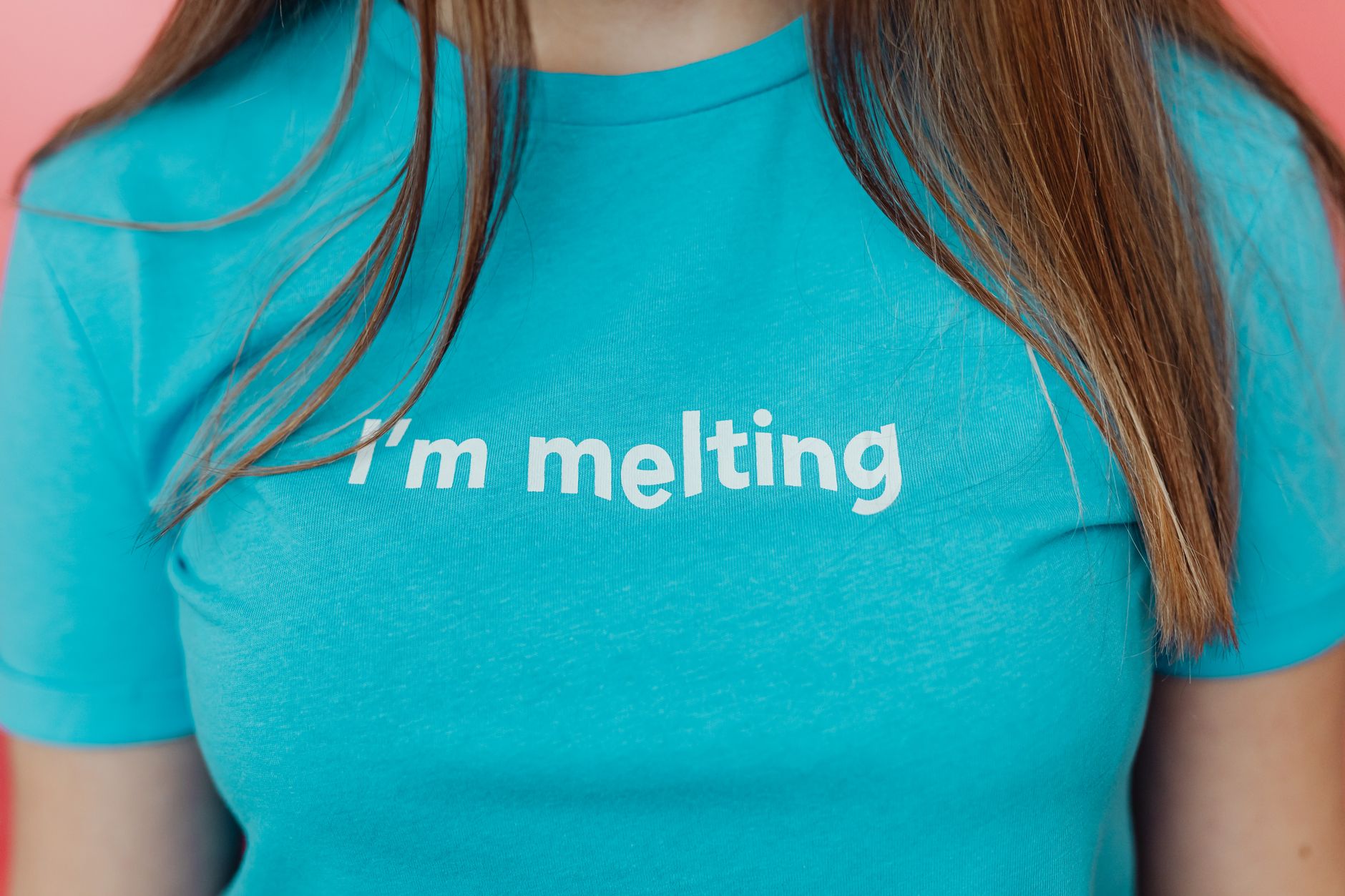
Getting tee shirts printed for your business, sports club, or upcoming event is one of the smartest branding investments you can make. A well-designed custom tee travels further than almost any other promotional product — worn at the gym, on the weekend, at the footy, or simply around the house, your brand keeps showing up in front of new eyes without spending another cent. But with so many printing methods, fabric options, minimum order quantities, and suppliers to navigate, the process can feel overwhelming if you haven’t done it before. This guide breaks down everything Australian marketing teams, business owners, and sports club managers need to know to get the best possible result from their custom tee shirt order.
Why Tee Shirts Remain One of the Most Effective Promotional Products
Before diving into the practical side of ordering, it’s worth understanding why custom tees continue to dominate the promotional products industry year after year.
Unlike a branded pen that gets lost in a drawer or a flyer that ends up in the recycling bin, a tee shirt is something people actually want to keep and wear. Studies consistently show that wearable promotional products generate more brand impressions per item than almost any other category. In Australia’s casual, outdoor-friendly culture — think weekend markets in Brisbane, beach events on the Gold Coast, or community runs in Perth — a quality branded tee is right at home.
For businesses, tee shirts build team identity and present a unified, professional image at trade shows, conferences, and pop-up activations. For sports clubs in Melbourne or Adelaide, matching team tees create a sense of belonging and community. For marketing teams running product launches or brand campaigns, they’re a cost-effective giveaway that attendees genuinely value.
The key, of course, is getting the printing right.
Understanding the Main Methods for Getting Tee Shirts Printed
One of the biggest decisions you’ll make when ordering custom tees is choosing the right decoration method. Each technique has its strengths, and the best option for your order will depend on your design, quantity, budget, and fabric type.
Screen Printing
Screen printing is the industry workhorse — and for good reason. It produces vibrant, durable prints that hold up wash after wash, making it ideal for bulk orders where consistency matters. Screen printing works by pushing ink through a mesh stencil directly onto the fabric, resulting in a bold, flat colour finish.
It’s best suited to designs with a limited number of solid colours (typically up to six), solid backgrounds, and simple typography. If your logo is clean and graphic-based, screen printing will likely be your most cost-effective option for runs of 24 pieces or more. For a deeper look at how this compares to other techniques, our guide to screen printing vs embroidery for custom apparel walks through the pros and cons of each.
Setup fees apply per colour, so the more colours in your design, the higher the setup cost. However, the per-unit price drops significantly as quantity increases — making large orders extremely economical.
Direct-to-Garment (DTG) Printing
Direct-to-garment printing uses specialised inkjet technology to print designs directly onto fabric, much like printing onto paper. It handles full-colour, photo-realistic designs with ease and requires no screens or setup fees, which makes it cost-effective for small runs.
DTG is ideal when you need fewer than 24 pieces, have a complex multi-colour or photographic design, or need individual personalisation (such as names or numbers on each shirt). The trade-off is that it’s generally slower and more expensive per unit at higher quantities compared to screen printing.
Heat Transfer and Vinyl
Heat transfer involves applying a printed film or cut vinyl design to the garment using heat and pressure. It’s popular for small runs, personalised items, and designs that need a specific finish like metallic or reflective effects. It’s a common choice for sporting clubs ordering numbered player jerseys or hi-vis shirts with individual names.
Sublimation Printing
Sublimation is a game-changer for all-over prints and performance sportswear. The process infuses ink directly into polyester fibres, producing stunning full-coverage designs that don’t crack or fade. It’s perfect for Brisbane sporting clubs wanting fully custom team uniforms or event tees with edge-to-edge graphics.
The limitation? Sublimation only works on 100% polyester or polyester-blend fabrics, so it’s not suitable for standard cotton tees.
For a full breakdown of all decoration methods available for custom apparel, check out our complete guide to garment decoration techniques.
Choosing the Right Tee Shirt Blank
The quality of your printed tee starts with the garment itself. Before you finalise any order, it’s worth considering the fabric weight, fit, and intended use.
Fabric Weight
Tee shirts are typically measured in grams per square metre (GSM). Lighter tees (around 140–160 GSM) are great for events, summer giveaways, and situations where budget is the priority. Mid-weight options (180–200 GSM) offer a better drape and feel, making them suitable for staff uniforms and retail merch. Heavyweight tees (200+ GSM) feel premium and are often the preferred choice for corporate gifting or branded merchandise that recipients are expected to keep long-term.
Fit and Style
Consider who will be wearing the tees and for what purpose. Fitted styles work well for retail or lifestyle brands targeting younger demographics. Classic unisex cuts are safe and inclusive for large corporate orders across Sydney and Melbourne offices. Women’s fitted tees should always be offered alongside unisex options when ordering for mixed groups.
Cotton vs Polyester vs Blends
100% cotton is breathable, comfortable, and prints beautifully with screen printing or DTG. Cotton-polyester blends offer added durability and wrinkle resistance, making them popular for workwear and active use. All-polyester fabrics are reserved for sublimation and performance sportswear.
If you’re new to choosing garment blanks, our guide to selecting the right fabric for custom t-shirts is a great starting point.
Artwork and Design Preparation for Tee Shirts Printed at Scale
Great print results begin with great artwork. Supplying your decorator with correctly prepared artwork files will save time, reduce proofing rounds, and ensure your finished tees look exactly as expected.
Most reputable Australian printing suppliers require vector files (AI, EPS, or PDF) for screen printing and embroidery work. Vector artwork is infinitely scalable without losing quality, which means your logo will look sharp at any size. Raster files (JPG, PNG) can work for DTG and sublimation, provided they’re supplied at a minimum of 300 DPI at the intended print size.
If your existing logo files are low-resolution, don’t panic — many suppliers offer artwork redraw services at a reasonable cost. It’s worth investing in this upfront rather than receiving tees with blurry or pixelated prints.
Colour matching is another important consideration. If your brand uses specific Pantone (PMS) colours, supply those references to your decorator. Screen printing allows for accurate PMS matching, while DTG and sublimation print in CMYK and may show slight colour variation depending on the garment colour and fabric type. Our overview of PMS colour matching for promotional products explains how this works in practice.
Budgeting and Minimum Order Quantities
Custom tee shirt orders in Australia typically come with a minimum order quantity (MOQ), which can range from as low as 10 pieces for DTG to 24–50 pieces for screen printing, depending on the supplier.
For most businesses and clubs, ordering in the 50–100 piece range hits a sweet spot where per-unit pricing becomes genuinely competitive. A standard 180 GSM screen-printed tee in one colour can cost anywhere from $8 to $20 per unit depending on quantity, the supplier, and the complexity of the artwork. Premium garments, additional print locations, and multi-colour designs will push costs higher.
Budget considerations to factor in:
- Artwork/setup fees: Usually a one-off charge per colour per screen
- Garment cost: Varies by brand, weight, and style
- Decoration cost: Per-unit charge based on method, colours, and placement
- Freight: Particularly relevant for remote locations in WA, NT, or regional Queensland
- Samples: Worth ordering a pre-production sample before committing to a full run
For a detailed breakdown of what drives pricing, our guide to understanding custom t-shirt printing costs in Australia is essential reading.
Turnaround Times: Planning Your Order Effectively
Turnaround times for tee shirts printed in Australia typically range from five to fifteen business days once artwork is approved, depending on the supplier, order size, and complexity.
Allow extra time during peak seasons — particularly in the lead-up to Christmas (October–December), around EOFY (May–June), and during school term changeovers. If you’re ordering for a specific event date in Canberra, Hobart, or Darwin, build in at least two to three weeks of buffer beyond the standard production window to account for shipping and any potential proofing delays.
Rush orders are available through many suppliers but typically attract a premium. Wherever possible, plan your tee shirt orders four to six weeks in advance of your deadline. For more on this, our article on planning promotional product timelines covers the full order journey from brief to delivery.
Practical Tips for First-Time Buyers
If this is your first time ordering custom tees, here are a few practical tips to help the process run smoothly:
- Order a size run, not equal quantities: People come in all shapes and sizes. A typical adult size breakdown might be 5% XS, 15% S, 30% M, 30% L, 15% XL, and 5% XXL — adjust based on your team or audience.
- Request a digital proof before production begins: Always review a proof showing your artwork on the actual garment colourway before giving the green light.
- Consider print location carefully: Left chest, full chest, back, and sleeve prints all serve different purposes. For staff uniforms, a left chest print is classic and professional. For event tees, a large back print maximises visibility.
- Think about care instructions: Communicate to recipients how to care for their tees to maximise print longevity. Washing inside out in cold water extends the life of screen-printed and DTG tees significantly.
You might also find our guide to branded merchandise for corporate events helpful if you’re ordering tees as part of a broader event merchandise package.
Conclusion: Key Takeaways for Ordering Tee Shirts Printed in Australia
Getting custom tee shirts printed doesn’t have to be complicated — but being well-informed before you place your order will make a significant difference to the final result and your overall experience. Here’s a quick summary of the most important points to keep in mind:
- Choose the right printing method for your design complexity, quantity, and fabric type — screen printing suits bulk runs with simple designs, while DTG is better for small quantities or photo-realistic artwork.
- Start with quality garments — fabric weight, fit, and fibre content all affect how your printed tees look, feel, and perform over time.
- Prepare your artwork properly — supply vector files, confirm PMS colour references, and always review a digital proof before approving production.
- Plan your order timeline carefully — allow four to six weeks from brief to delivery, and build in extra buffer during peak periods.
- Factor in all costs upfront — including setup fees, freight, and samples — so your budget reflects the true cost of the project.
Whether you’re a Sydney marketing team preparing for a product launch, a Melbourne footy club ordering player tees, or a Perth business kitting out your team for a trade show, getting tee shirts printed is one of the best brand-building investments you can make in 2026. Take the time to plan it well, and the results will speak for themselves.